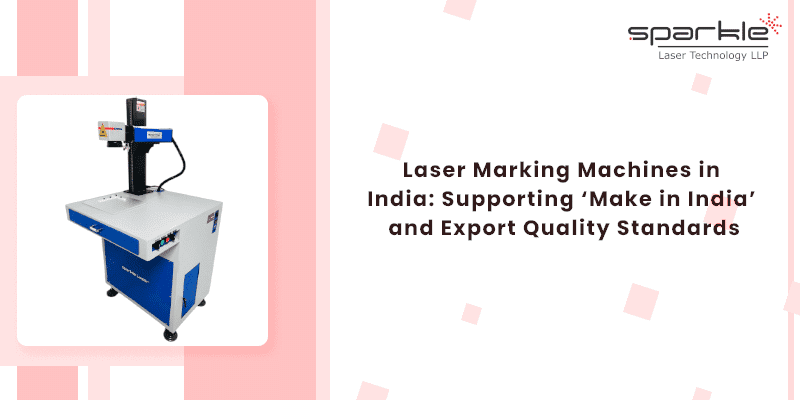
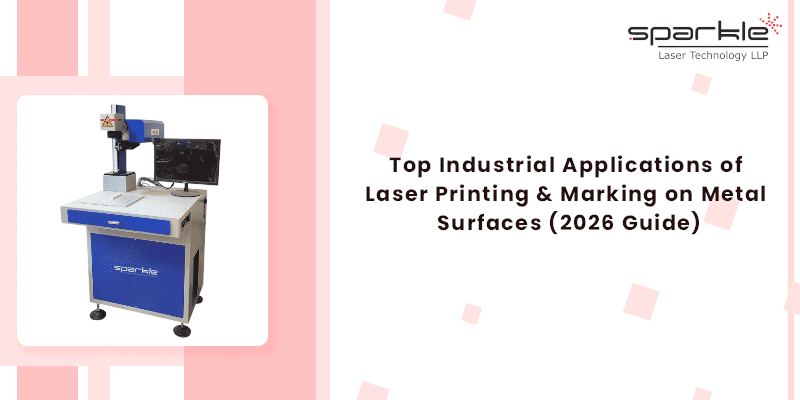
If you have been wondering how metal products have become so cleanly and permanently marked, you haven’t been imagining it. Laser printing and marking on metal surfaces have been the silent heroes of modern manufacturing. From small serial numbers on electronic parts to large logos on heavy machinery, laser marking is present everywhere in 2026.
The reason for its popularity is very simple. It is fast and precise, does not ink or emit chemicals, and the marks do not fade. Laser technology uses a concentrated beam of light to make marks directly on the metal surface, while traditional marking methods that use labels, paint or mechanical pressure are inherently more prone to wear and tear. There is no contact, no waste, and no consumables.
Let’s walk through where laser printing and marking on metal are being used the most today, and why industries are relying on them heavily.
Automotive Manufacturing
The automotive industry relies heavily on precision and accountability. Every metal part, even the smallest one, has to be identified and tracked throughout the vehicle’s entire lifespan.
Laser marking is the technology that fits in perfectly here. Serial numbers, batch codes, and machine-readable barcodes are the means through which engine components, brake parts, transmission systems, and other elements are identified. Besides the markings, these help manufacturers to trace the parts also during production, quality checks, and recalls.
Laser marks are resistant to heat, oil, friction, and even difficult weather; that’s why they are perfect for the automotive industry. High-speed fiber laser systems have become very popular because they can keep up with the speed of the production lines that are rapidly moving without any rest.
Aerospace and Defence
In aerospace and defence manufacturing, there’s zero tolerance for error. Metal parts used in aircraft or defence equipment must meet strict international standards, and every component needs permanent identification.
Laser marking is commonly used to mark aluminium alloys, titanium parts, and stainless steel components with serial numbers, compliance symbols, and tracking codes. Since the process is non-contact, it doesn’t weaken or distort high-value parts.
That combination of precision, permanence, and safety is why laser marking has become the go-to solution in this sector.
Electronics and Electrical Components
Electronics may look simple on the outside, but manufacturing them that offers accuracy is a challenge. Metal housings, connectors, and heat sinks all need clean, readable markings without affecting functionality.
Laser printing makes this easy. Model numbers, certification logos, QR codes, and product IDs can be added with extreme accuracy, even on very small surfaces. For industries that deal with fine metal components or heat-sensitive materials, UV laser systems are often preferred.
These systems deliver sharp, high-contrast marks while keeping heat impact to a minimum.
Medical Devices
One of the areas where laser marking stands out is medical manufacturing. The marking on these surgical tools, implants, and medical-grade instruments needs to be very strong, as they are subjected to sterilization, chemicals, and repeated use.
Laser marking is a solution that enables the creation of permanent marks that are free from contamination and that will not peel, fade or react with the cleaning agents. Consequently, it is a popular means of marking the serial numbers, UDI codes, and manufacturer details on medical tools made of stainless steel and titanium.
Since laser marking does not use any inks or coatings, it is also compatible with cleanroom standards and is safe for patients.
Industrial Tools and Machinery Parts
Look at any industrial tool or machine component closely, and you will most probably find a laser mark. Brand logos, part numbers, safety warnings, and load ratings are some of the common things that are added by the use of laser technology.
Manufacturers opt for laser marking here, as it is effective for a wide range of metal types and is durable in a tough working environment. In the case of cylindrical or irregularly shaped parts, rotary laser marking machines make the operation go smoothly and efficiently.
Oil, Gas, and Heavy Engineering
Markings in industries that are under extreme conditions must be as long-lasting as the equipment itself. Pipes, valves, flanges, and metal plates that are used in oil and gas operations endure heat, pressure, chemicals, and continuous wear.
Laser marking is a way to ensure that identification codes and safety information stay long-lasting and readable. In contrast to paint or stickers, laser marks are not susceptible to washing or degrading, thus helping to lower inspection errors and compliance risks.
Consumer Appliances and Metal Enclosures
Laser printing isn’t just for heavy industry. It’s also widely used in everyday consumer products. Metal panels on appliances, control boxes, and enclosures often feature laser-marked logos, model numbers, and regulatory symbols.
The clean finish of laser marking adds a premium look while ensuring information stays intact for the product’s entire lifespan.
Jewellery and Luxury Metal Goods
In the realm of precious metals, beauty is as important as strength. To engrave hallmarks, serial numbers, logos, and decorative elements on gold, silver, and platinum, laser marking is the method of choice.
The extent of control laser systems provide is what allows extremely fine marks to be produced without the materials being made less valuable by the process. It is this combination of attractiveness and exactness that makes laser marking so common in the luxury industry.
Custom and On-Demand Manufacturing
Manufacturing of the future is a trend, based on personalisation, and laser marking is just the thing. Because both designs and data are digital, it takes hardly any time to switch from one marking style to another.
Serial numbers, customer-specific codes, and unique identifiers can be altered in an instant without the need for new tools or production stops. The flexibility that is offered by them enables manufacturers to save time, lower errors, and be able to support smaller production runs.
Why Laser Marking on Metal is the Clear Choice in 2026?
The motivations for implementing laser marking remain the same in these different sectors. One of the advantages is that there is no need for consumables, the machine requires little maintenance, the marking speeds are fast, and the outcomes are permanent and of a high standard.
With the continuous strengthening of traceability regulations and the rising production demands, laser printing and marking on metal surfaces is not just a clever upgrade anymore. It is, in fact, a fundamental necessity that is rapidly imposed on many manufacturers.
Frequently Asked Questions (FAQs)
1. Can laser marking be used on all types of metal?
Metal laser marking is generally applicable to the different types of metals, such as stainless steel, aluminium, brass, copper, and titanium, as well as alloys. It is necessary, however, to use the correct laser system.
2. Will laser marking damage metal parts?
Not at all. Laser marking is non-contact, and therefore, no physical pressure or deformation is caused in the area marked, provided the operation is done properly.
3. Is laser marking suitable for high-volume production?
Yes, indeed. There is a wide range of laser marking equipment available on the market today that has been engineered for automation and can be operated continuously at high speed in production environments.